
The foom Container
An on-site system that turns organic waste into fertiliser right where it is produced.
The foom Container
Operations
Designed for effortless operations
Runs independently.
Stay connected from anywhere.
Everyday ready
Made to fit right in
Odour-free
The closed process prevents unpleasant odours, making the container suitable for locations close to people, buildings and daily activities.
Quiet
Low operating noise allows the container to be integrated into urban environments without disturbing employees, visitors or nearby residents.
Safe
From the enclosed process to integrated safety systems, every aspect of the container is engineered for safe and reliable operation.
Regulation ready
Designed to support compliance with relevant European waste, machinery and fertiliser regulations.
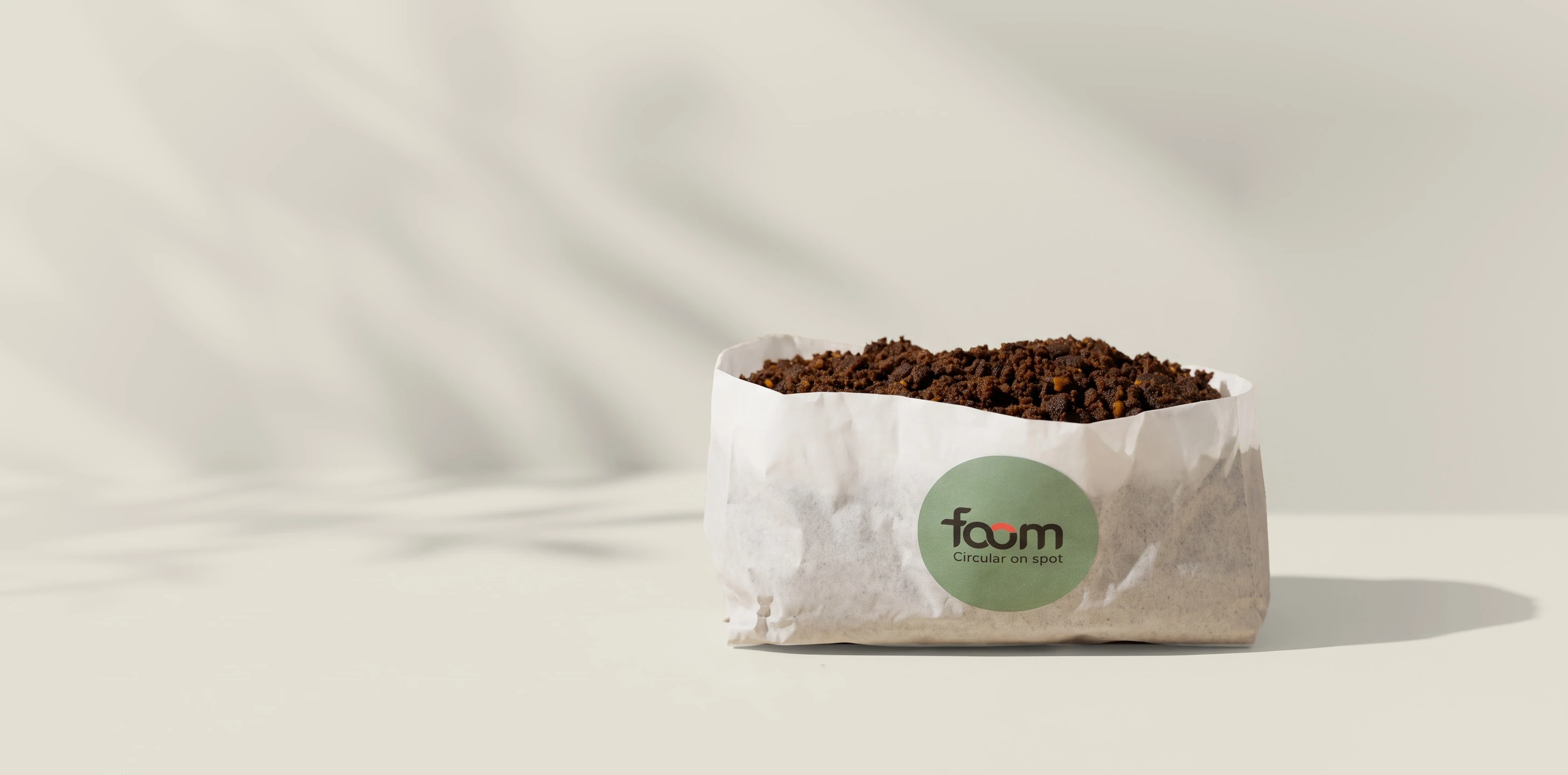
The foom Fertiliser
High-quality nutrition for healthy plants and soils.
Results
See the difference
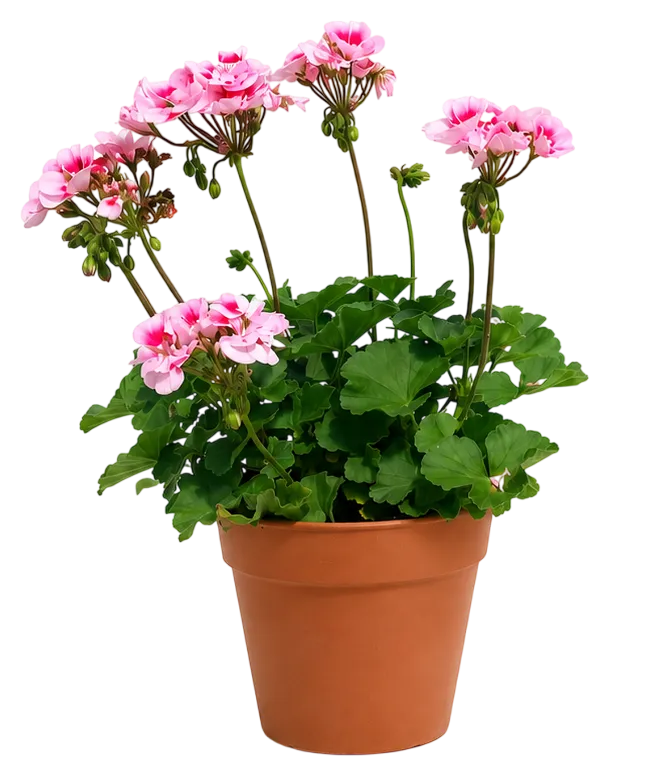
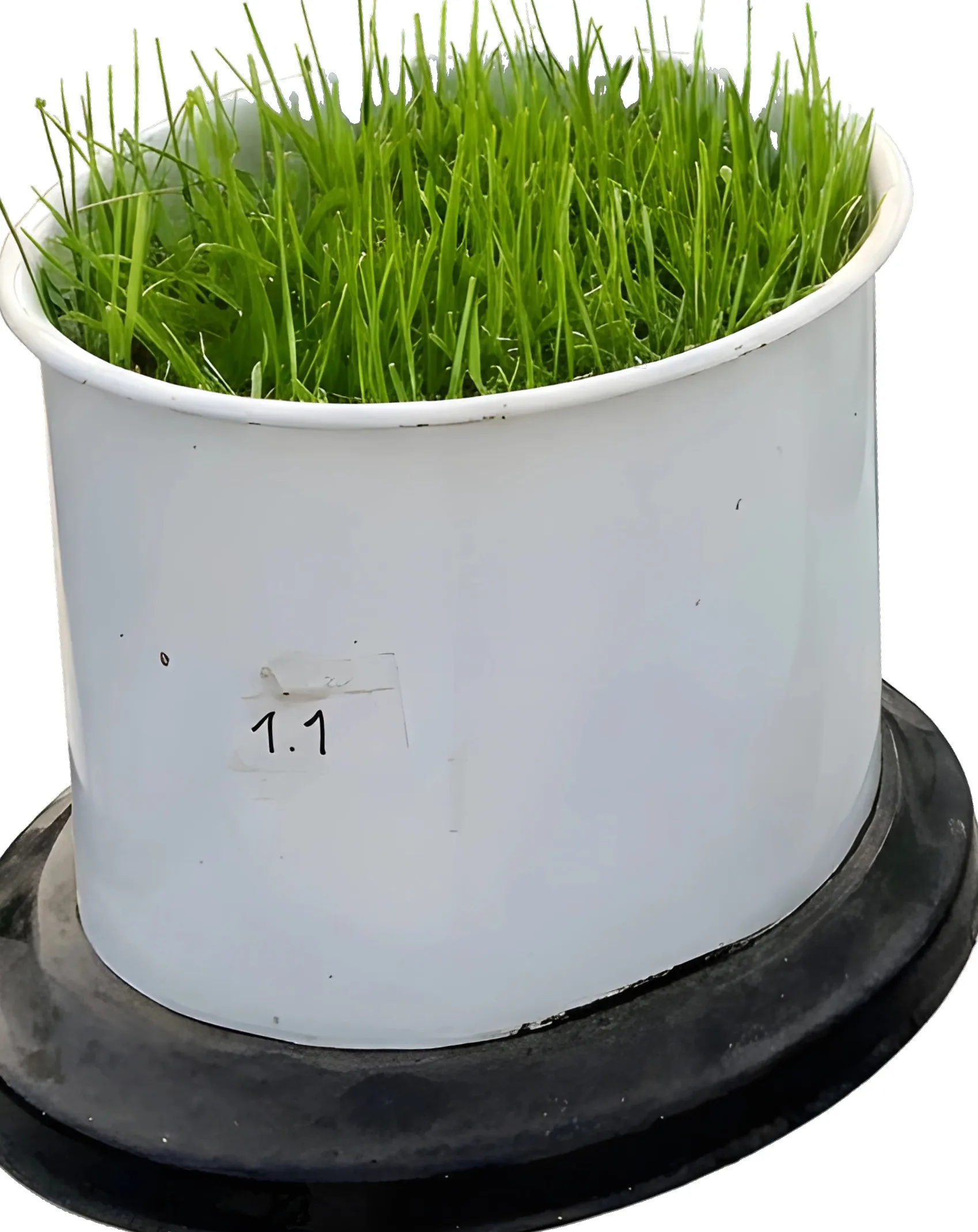
Real trial photography the same conditions, with and without foom Fertiliser.
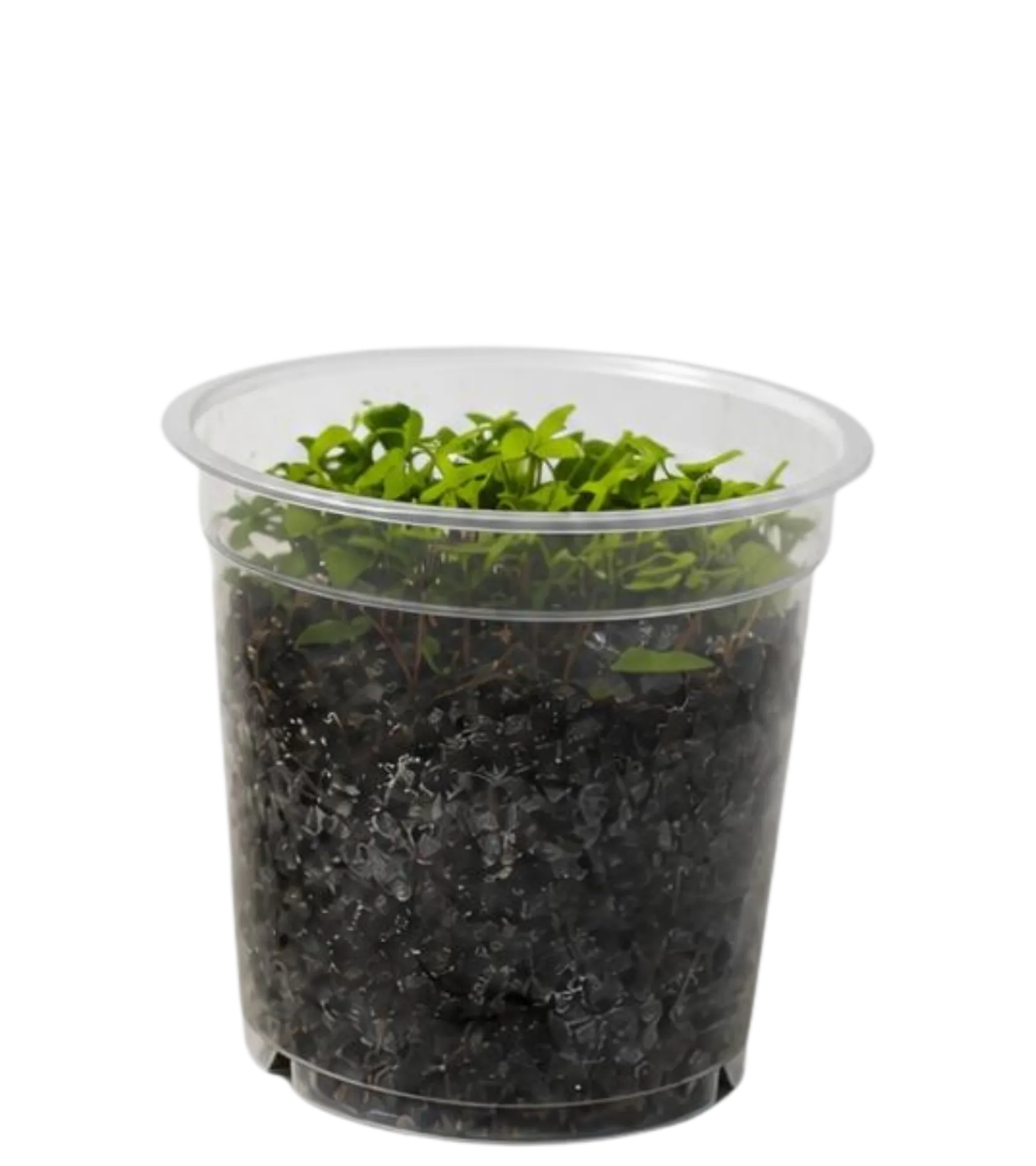 Unfertilised
 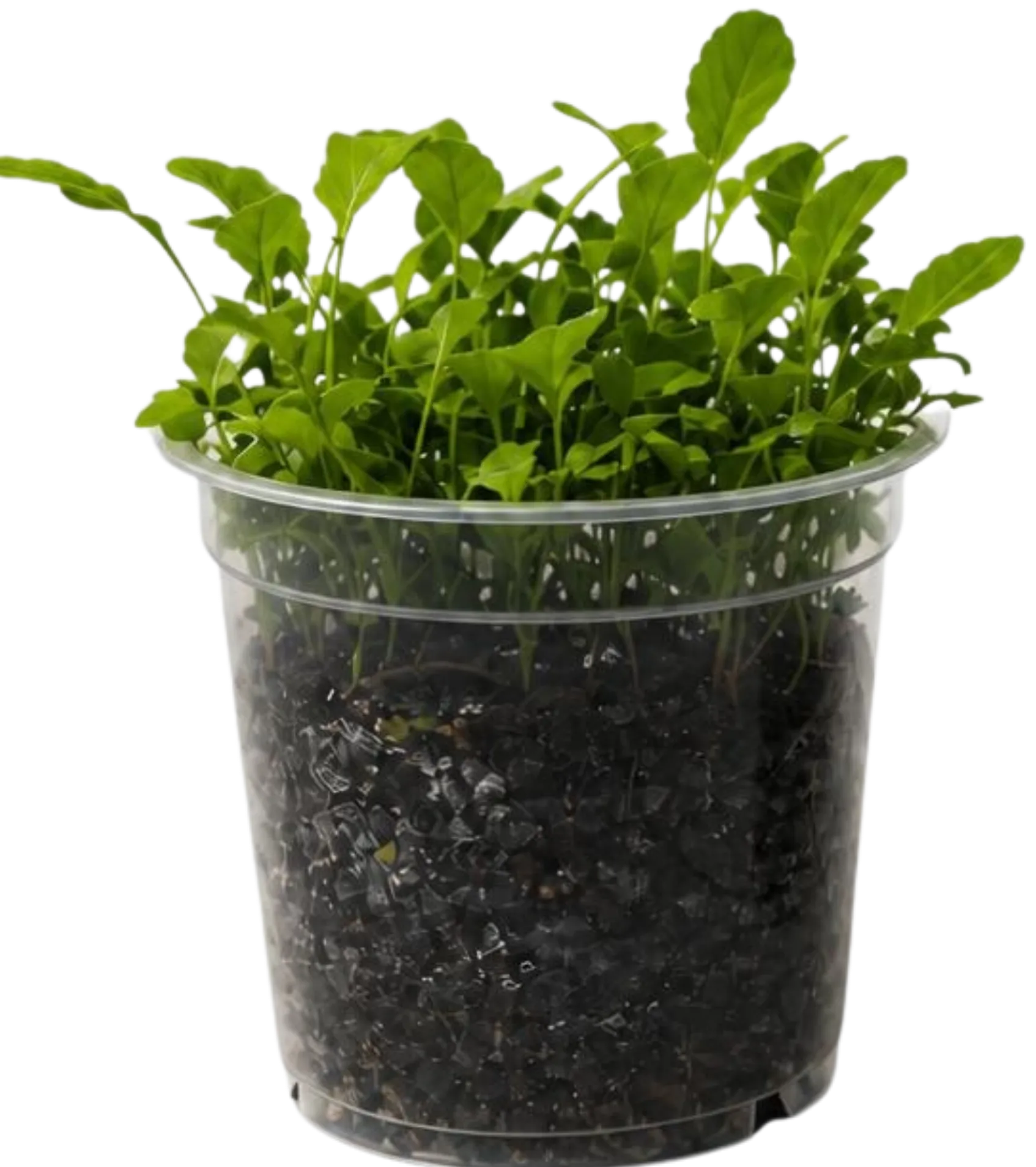 With 10% fertiliser
 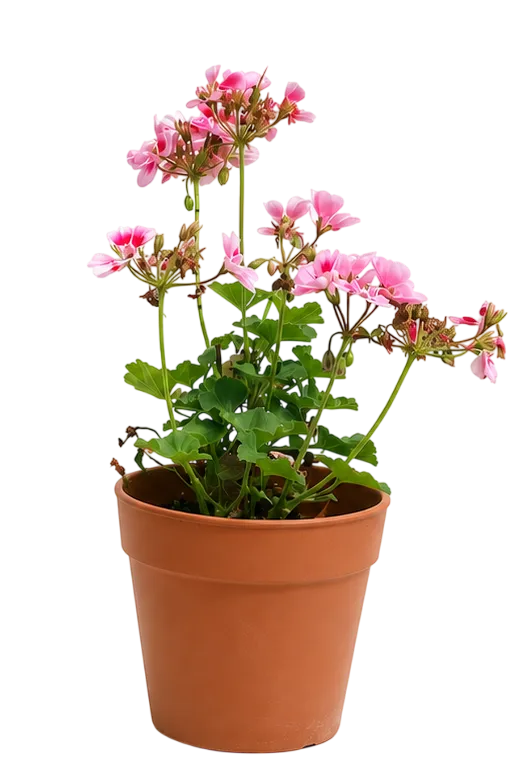 Unfertilised
  With 5% fertiliser
  Unfertilised
 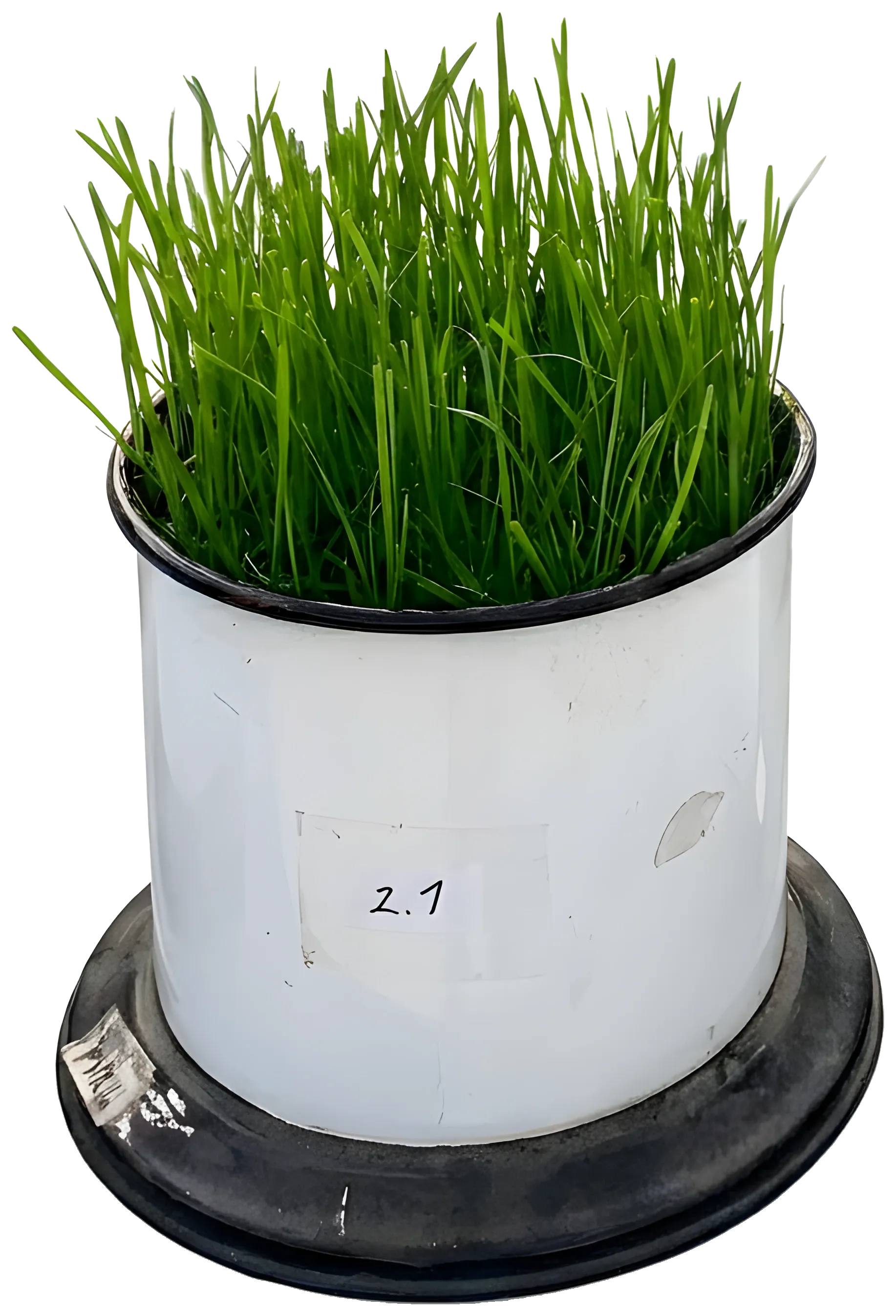 With 5% fertiliser
 Benefits
What you gain
-
20% Waste disposal costs reduced Compared with average commercial organic waste management costs in Europe.
-
Up to
80% Greenhouse gas emissions reduced Compared with the European average mix of organic waste treatment methods and the production of fertiliser with a comparable NPK profile.
-
Up to
90% Nutrients and organic carbon retained Share of nutrients and organic carbon retained from the organic waste input.
-
At least
10× Plant biomass increased Plant biomass with 10% foom fertiliser mixed into soil, compared with an unfertilised control, based on independent trials by IASP and foom’s internal trials.
How it works
Three simple steps. One seamless process.
01 / 03
Collect. Load. Press start.
Collect organic waste in standard 120 or 240 litre bins. Place the bins onto the integrated lifting system and press the start button.
The system takes over from here. Loading is fully automated, processing up to 600 kg of organic waste per day with minimal manual effort.
02 / 03
Monitor.
Follow the transformation in real time via the foom app. That's all you need to do.
Inside the container, organic waste is automatically shredded before proprietary microorganisms transform it into high-quality fertiliser in just two days. The fertiliser is then hygienised and dried to create a stable, ready-to-use product. AI-powered process control continuously monitors and optimises the system remotely.
03 / 03
Replace. Use. Or store.
The finished fertiliser is automatically discharged into a collection box.
Once it is full, simply replace the box with an empty one. Use the fertiliser immediately or store it until needed.
Technical data
Everything you need for planning
Capacity
- Annual throughput
- Up to 220 t
- Daily throughput
- Up to 600 kg
Physical specs
- Dimensions
- Approx. 6.1 × 2.4 × 2.9 m (20 ft high cube container)
- Weight
- Approx. 6 t
Output
- Fertiliser type
- Organic fertiliser
- Dry matter content
- > 80%
Utilities
- Power supply
- 400 V, 63 A, 3-phase
- Water
- No water connection required.
Input
- Accepted waste streams
- Food waste (e.g. fruit & vegetables, meat, fish, bones, dairy products, rice and pasta), garden waste (e.g. leaves, grass and small branches) and other organic materials (e.g. home compostable tableware)
- Bin sizes
- Standard 120 L and 240 L bins